How to Choose a Reliable American-Made N95 Respirator: A Practical Buyer’s Guide

Demand for reliable respiratory protection has changed significantly over the past several years. More U.S. consumers now pay attention not only to filtration claims, but also to where a respirator is manufactured, whether its approval can be verified, how comfortably it fits, and whether the seller provides clear information about the product.
For shoppers specifically interested in N95 respirators manufactured in the United States, the number of choices can make comparison difficult.
A package may say “N95,” “Made in USA,” “95% filtration,” or use other reassuring terminology. But these phrases do not all mean the same thing.
Understanding a few basic principles can make it much easier to compare respirators and avoid relying solely on marketing language.
This guide covers the most important factors to consider when shopping for an American-made N95 respirator.
Start With NIOSH Approval, Not Marketing Claims
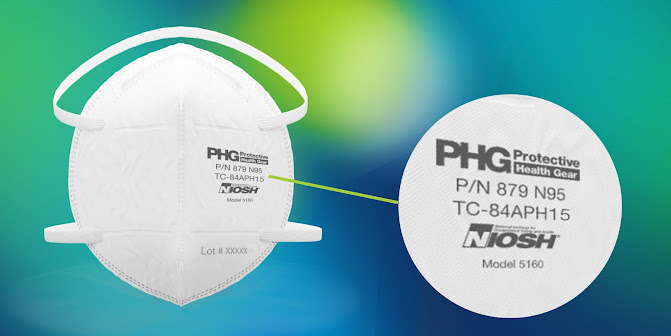
The most important starting point when evaluating an N95 respirator in the United States is NIOSH approval.
NIOSH stands for the National Institute for Occupational Safety and Health. It operates a certification program for respiratory protective devices, including N95 filtering facepiece respirators.
An authentic N95 respirator is not simply a mask that a manufacturer claims can filter 95% of particles.
The N95 designation is tied to specific testing and certification requirements.
That distinction matters because online shoppers may encounter products described using language such as:
- N95-style mask
- N95 equivalent
- 95% filtration mask
- N95 quality
- N95 protection
- high-filtration face mask
Some of these products may be legitimate masks manufactured to other standards, but those phrases alone do not mean the product is a NIOSH-approved N95 respirator.
If your goal is specifically to purchase an N95, look for verifiable approval information rather than relying only on the product title.
“Made in USA” and “NIOSH Approved” Are Different Claims
Consumers often search for U.S.-made respirators because they want products manufactured domestically.
That can be a perfectly reasonable purchasing preference, but it is important to understand that country of origin and respirator approval are two separate considerations.
Made in USA generally relates to where the product is manufactured.
NIOSH approved refers to whether a particular respirator has been evaluated and approved within the NIOSH respiratory protection certification program.
A respirator can therefore be manufactured in the United States and still require separate verification of its NIOSH approval.
Likewise, not every NIOSH-approved respirator is necessarily manufactured in the United States.
For shoppers who care about both factors, each claim should be independently checked.
Why U.S. Manufacturing Matters to Some Buyers
Interest in domestically manufactured personal protective equipment grew considerably during the pandemic.
Supply-chain disruptions demonstrated how dependent many industries had become on international manufacturing.
As a result, some individuals, businesses, healthcare organizations, contractors, and emergency-preparedness buyers began paying more attention to domestic production.
Buying American-made respirators may appeal to consumers for several reasons.
Some want to support U.S. manufacturing jobs.
Others prefer shorter or more transparent supply chains.
Organizations purchasing respiratory protection in larger quantities may also value predictable availability and easier communication with domestic manufacturers or distributors.
However, manufacturing location should be viewed as one part of the purchasing decision rather than a replacement for evaluating the respirator itself.
The Best Respirator Is the One That Fits Properly
Filtration performance gets most of the attention when people discuss N95 respirators, but fit is just as important.
Respirators are designed so that inhaled air passes through the filter material.
If significant gaps exist between the respirator and the face, some air can travel around the edges instead.
That means a highly rated respirator can still provide less effective protection for an individual if the fit is poor.
Common areas where gaps can develop include:
- around the bridge of the nose
- along the cheeks
- underneath the chin
- near the sides of the respirator
Face shape varies considerably from person to person.
A respirator that fits one individual extremely well may feel uncomfortable or fail to seal properly on another.
This is one reason it can be useful to try several NIOSH-approved designs before purchasing a large quantity.
Headbands Play an Important Role
Many consumers are accustomed to disposable masks with ear loops.
NIOSH-approved N95 filtering facepiece respirators, however, commonly use two straps that go around the head.
These straps help maintain pressure between the respirator and the wearer's face.
Typically, one strap sits higher on the back of the head while the second sits lower.
Proper placement matters.
If the straps are positioned incorrectly, twisted, stretched excessively, or damaged, the respirator may not sit as intended.
Comfort is also important, particularly for people who expect to wear respiratory protection for several hours.
When comparing products, consider whether the straps appear durable and whether the tension feels appropriate for your face and head.
Pay Attention to the Nose Area
The bridge of the nose is one of the most important areas for achieving a close fit.
Many N95 respirators include a moldable nose clip or similar adjustment feature.
When properly shaped according to the manufacturer's instructions, it can help the respirator conform more closely to the wearer's face.
This is particularly noticeable for people who wear eyeglasses.
When warm exhaled air escapes near the nose, glasses may fog.
Fogging does not by itself prove that a respirator is improperly fitted, but persistent air leakage near the nose is worth paying attention to.
Properly positioning and adjusting the respirator can often improve comfort.
Cup, Flat-Fold, or Duckbill?
Another major buying consideration is respirator shape.
There is no single design that works best for everyone.
Cup-Style N95 Respirators
Cup-style respirators have a structured shape that remains formed even when the mask is not being worn.
Some users appreciate their rigidity and the space they create in front of the mouth.
These respirators are common in industrial, construction, maintenance, and general-purpose applications.
Flat-Fold N95 Respirators
Flat-fold respirators collapse relatively flat when stored.
This can make them convenient for travel bags, emergency kits, vehicles, offices, and other situations where storage space matters.
Once opened and positioned on the face, the respirator takes on its intended three-dimensional shape.
Duckbill N95 Respirators
Duckbill respirators extend outward around the mouth area.
Some users prefer this shape because it can provide additional breathing and speaking space.
Duckbill models are frequently seen in healthcare and other professional environments, although their suitability depends on the specific model and application.
Rather than assuming one design is superior, shoppers should consider which shape fits their facial structure most securely and comfortably.
Comfort Matters More Than Many Buyers Expect
A respirator may technically fit, but if it becomes uncomfortable quickly, users may be tempted to adjust it repeatedly or remove it.
That makes comfort an important practical consideration.
Several design characteristics can influence comfort:
- strap tension
- interior space
- respirator stiffness
- nose foam
- nose clip design
- overall respirator weight
- breathing resistance
- moisture buildup
For occasional use, small differences may not seem important.
For someone wearing an N95 during a long work shift, travel day, home renovation project, or extended exposure to airborne particles, those differences can become much more noticeable.
Don't Assume a Higher Price Means a Better Respirator
Price varies considerably among N95 respirators.
Some products are sold individually, while others come in boxes of 10, 20, 50, or larger quantities.
Pricing may also reflect packaging, brand recognition, manufacturing costs, distribution, supply conditions, or specialty features.
However, higher price does not automatically mean better protection for a particular user.
A moderately priced, properly fitted NIOSH-approved respirator may be a much better choice than an expensive respirator that does not fit the wearer's face correctly.
Likewise, the lowest-priced product may not always represent the best value if its fit, comfort, documentation, or seller reliability is questionable.
Compare the entire product rather than focusing exclusively on cost per mask.
Consider Packaging and Storage
Packaging is another buying factor that receives relatively little attention.
Some respirators are individually wrapped.
Others are packaged together inside a larger box or bag.
Individually packaged respirators can be convenient for:
- travel
- workplace distribution
- vehicles
- emergency kits
- backpacks
- medical offices
- sharing among household members
Bulk packaging may make more sense for organizations or individuals using respirators frequently.
Regardless of packaging style, unused respirators should be stored according to the manufacturer's recommendations.
They should be protected from moisture, contamination, physical damage, and conditions that could deform the respirator.
Be Careful With Marketplace Listings
Online marketplaces make respirators widely accessible, but product listings can sometimes be confusing.
Different sellers may use nearly identical product photos, titles, or certification terminology.
When evaluating an unfamiliar product, look beyond the headline.
Check the manufacturer name.
Look for approval information.
Review photographs of the respirator markings.
Compare the details with official NIOSH information when necessary.
Be cautious if a listing combines several certification terms without explaining what each one applies to.
For example, KN95 and N95 are not interchangeable certifications.
KN95 respirators are associated with a Chinese standard, while N95 respirators fall under the U.S. NIOSH certification system.
A product should not be assumed to be a NIOSH-approved N95 simply because “KN95,” “N95,” “CDC,” or “FDA” appear somewhere in the listing.
Buying for Work Requires Additional Considerations
Consumers buying N95 respirators for personal use may compare products primarily based on approval, fit, comfort, and intended application.
Workplace respiratory protection can involve additional requirements.
Depending on the job and hazard, employers may need to comply with OSHA respiratory protection rules.
This can include elements such as:
- hazard evaluation
- respirator selection
- medical evaluation
- fit testing
- training
- proper use procedures
A consumer buying a respirator for home use and an employer implementing a formal respiratory protection program therefore have different responsibilities.
When respiratory protection is required in an occupational setting, applicable workplace requirements should guide product selection.
How Many Respirators Should You Purchase?
Buying in bulk can lower the cost per respirator, but first-time buyers may benefit from trying a smaller quantity.
Suppose you purchase 100 respirators and discover that the shape causes uncomfortable pressure around your nose or does not fit your face well.
A lower unit price will not compensate for poor usability.
A more practical approach may be:
- Identify several legitimate NIOSH-approved options.
- Purchase a manageable quantity.
- Evaluate fit and comfort.
- Follow the manufacturer's donning instructions.
- Determine which model works best for you.
- Purchase larger quantities once you have identified a preferred design.
This approach can reduce waste while helping you identify a respirator you will actually be comfortable using.
A Simple Checklist Before You Buy
When comparing N95 options, ask these questions:
Is the respirator genuinely NIOSH approved?
Verify the product rather than relying only on the retailer's wording.
Is it actually manufactured in the United States?
Check the manufacturer's country-of-origin information if domestic manufacturing is important to you.
Does the design suit your face?
Consider cup, flat-fold, duckbill, and other available configurations.
Does it provide a secure fit?
Look for a design that sits closely against your face without obvious gaps.
Are the straps comfortable and secure?
Proper headband tension can affect both comfort and fit.
Is the nose area adjustable?
A well-designed nose clip may help the respirator conform to your face.
How will you use it?
Occasional emergency use, workplace use, travel, home projects, and daily use may create different priorities.
Is the seller trustworthy?
Clear manufacturer information and verifiable product details matter.
Where to Compare American-Made Options
If U.S. manufacturing is one of your priorities, Health Choice Essential has published a detailed comparison and buying resource covering American-made N95 respirators, including information designed to help shoppers compare available styles and understand important buying considerations.
The key is not simply finding a product with attractive packaging or a familiar certification term.
Verification comes first.
Fit comes next.
Comfort, shape, packaging, intended use, and manufacturing origin can then help narrow the available choices.
Final Thoughts
Buying an N95 respirator at Health Choice Essential becomes much easier once you know which factors matter most.
Start with verified NIOSH approval.
Then determine whether U.S. manufacturing is important to you.
From there, compare fit, facial seal, respirator shape, headbands, nose adjustment, packaging, and comfort.
Avoid assuming that the most expensive respirator must be the best or that every product displaying “95% filtration” is equivalent to a NIOSH-approved N95.
Respiratory protection is personal.
Different faces require different designs, and even highly regarded respirators will not fit every wearer equally well.
A careful buying process therefore focuses on verified approval first and individual fit second.
If you take the time to compare those fundamentals, you will be in a much better position to select an American-made N95 respirator that suits your actual needs.

Comments
Post a Comment